The first signs of a spotted lanternfly infestation often appear before you ever notice the insect itself. You might find your car covered in a sticky residue after parking beneath a tree, patio furniture coated with a sugary film, or black mold spreading across leaves and branches. While these changes can seem unrelated, they may all point to the presence of the spotted lanternfly, an invasive insect that has become a serious concern in many parts of the United States.Native to Asia, the spotted lanternfly feeds by piercing plants and extracting their sap. It targets a wide range of trees and crops, including maples, walnuts, grapevines, fruit trees, and ornamental plants.
Heavy infestations can weaken plants, reduce fruit production, and place significant stress on trees over time.One of the insect’s most noticeable effects is the production of “honeydew,” a sticky, sugary waste that coats anything beneath infested trees. This residue encourages the growth of sooty mold, a black fungus that covers leaves and blocks sunlight needed for photosynthesis. Although the mold does not infect the plant directly, it can further weaken already stressed vegetation.
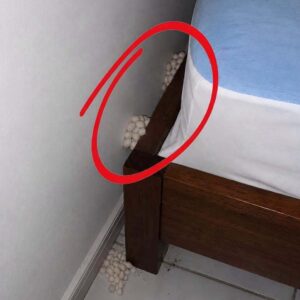
The spotted lanternfly changes appearance as it matures. Young nymphs are black with white spots, later developing bright red markings. Adults are about an inch long with gray wings covered in black spots and striking red hindwings that become visible during flight.Experts recommend checking trees, fences, outdoor furniture, and vehicles for egg masses, which resemble smears of gray mud.
Scraping these egg masses into rubbing alcohol or hand sanitizer can help reduce future populations. Residents should also avoid transporting firewood or outdoor equipment from infested areas without inspection.While the spotted lanternfly can be alarming, early detection and proper management can help protect gardens, trees, farms, and local ecosystems. Staying informed and following guidance from local agricultural authorities are important steps in slowing the spread of this destructive invasive species.