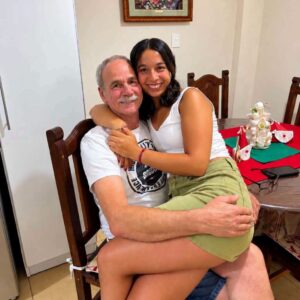
For years, Sarah Palin was known nationally for politics, campaigns, and media attention. Behind the public spotlight, however, was a decades-long family life built alongside her former husband, Todd Palin. Together, the couple raised five children in Alaska while balancing work, parenting responsibilities, and the unique challenges that come with public visibility. Like many long-term partnerships, their life together was shaped by everyday routines, family traditions, and shared experiences developed over many years.
As Palin’s political career expanded and national attention intensified, maintaining privacy became increasingly difficult. Despite the pressures that often accompany public life, the couple focused on raising their family and creating stability at home. Their marriage spanned major life milestones, including building a household, supporting their children’s growth, and navigating the demands that came with increased media attention. Friends and longtime observers often associated the relationship with the independent spirit and close family values frequently connected to life in Alaska.
After more than three decades of marriage, the relationship reached a difficult turning point when Todd Palin filed for divorce. The separation surprised many people who had followed their story over the years, particularly because the couple’s relationship began with a youthful elopement and had endured decades of change. Like many major life transitions, ending a long marriage can bring emotional challenges, reflection, and adjustment — especially when personal changes unfold under public attention.
Since then, Palin has focused on family, personal growth, and establishing a new rhythm in life. Support from loved ones, familiar routines, and longtime personal interests have reportedly helped create stability during a period of change. Her experience serves as a reminder that even after significant life chapters close, new beginnings remain possible. With time, support systems, and resilience, many people find ways to rebuild, rediscover purpose, and move forward with renewed perspective.