Lee Grant appeared destined for a remarkable Hollywood career in the early 1950s. Her performance in Detective Story earned critical attention and an Academy Award nomination,establishing her as a powerful dramatic actress with a distinctive presence. Yet her promising career soon changed when political tensions in Hollywood placed her under intense scrutiny.During the era of the House Un-American Activities Committee investigations, actors, writers, directors, and other entertainment professionals faced difficult questions about their political associations and friendships. Studios became increasingly cautious, and some performers found themselves unable to secure work because of accusations or suspected political connections. The resulting blacklist affected many careers and created an atmosphere in which people often feared speaking openly.Grant became connected to this difficult period partly through her marriage to screenwriter Arnold Manoff, who was associated with left-wing political circles.Grant also attracted attention after publicly discussing the death of actor J. Edward Bromberg. Her comments connected the pressures of congressional investigations with the personal strain experienced by people working in Hollywood during that period.
The professional consequences for Grant were substantial. Film opportunities became scarce, and the actress who had appeared ready for a major career suddenly found herself largely excluded from the movie business. Her blacklist lasted for approximately twelve years, taking away an important period of professional opportunity.Instead of abandoning acting, however, Grant continued developing her abilities through theater and other available work.The years away from Hollywood also brought significant personal challenges. Grant was raising a family while dealing with uncertainty about her career and future.When she eventually returned to the screen, she also faced the entertainment industry’s familiar emphasis on appearance and youth.She later spoke candidly about cosmetic surgery and the pressures she experienced while rebuilding her career.Grant’s return eventually became one of the most notable second acts in Hollywood. She took on increasingly complex roles and worked with respected filmmakers.
Her talent was recognized once again, culminating in an Academy Award for Best Supporting Actress for Shampoo.The achievement was especially meaningful because it followed years in which the industry had largely prevented her from working in film.Her career later expanded beyond acting. Grant became a director of documentaries and television productions, giving her greater control over the stories she wanted to tell.Her documentary work frequently examined social issues and the lives of people whose experiences received limited attention from mainstream media.Behind the camera, she could approach storytelling from a new perspective while drawing on everything she had learned as an actress.Grant also built a long personal and professional life beyond the blacklist era. Her career eventually included acting, directing, writing,
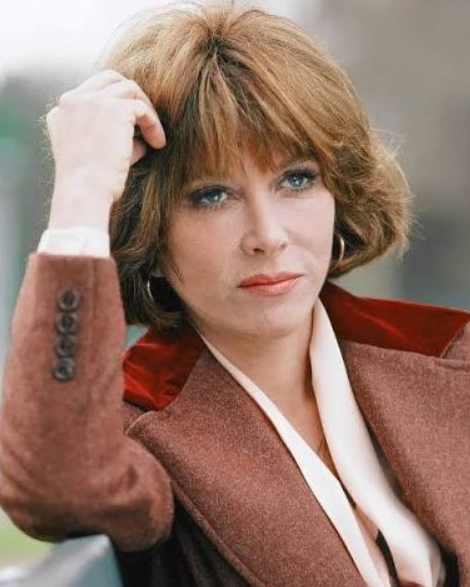
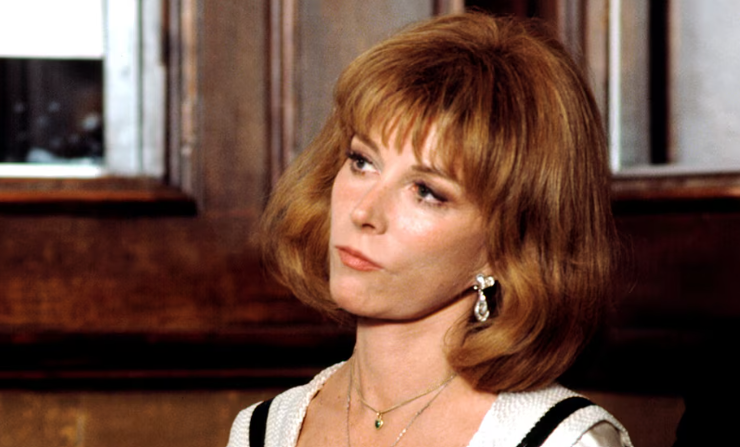
and public reflection on her experiences. She remained active in discussing the entertainment industry and the difficult period that had shaped her early adulthood.Photographs showing Grant at different stages of her life may attract attention because of the natural changes that occur over several decades.However, focusing only on appearance overlooks the larger story. Her life was defined not simply by how she looked at different ages, but by how she continued working after a major interruption to her career.Lee Grant’s story illustrates both the vulnerability of creative careers and the ability of talented people to rebuild. A period of political fear interrupted her Hollywood ambitions,but it did not permanently define her future. She returned to acting, earned an Oscar, became a filmmaker, and created a career that extended far beyond the circumstances that once limited her opportunities. Her journey remains a powerful example of resilience, reinvention, and the lasting value of creative work.