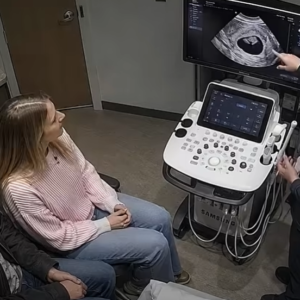
At the center of this emerging science is a discovery that feels both promising and unsettling: researchers are finding that signals from the maternal gut microbiome may influence the immune system in ways that affect fetal brain development. In mouse studies, certain maternal gut bacteria have been linked to immune pathways that alter neurodevelopment in offspring, helping explain why scientists are paying such close attention to the gut-immune-brain connection during pregnancy. But the same research also raises difficult questions, because it suggests that infection, inflammation, or microbial imbalance could matter in ways that are not immediately visible.
That does not mean expectant parents should interpret every illness, treatment, or dietary change as a threat. Researchers continue to stress that autism is complex, with genetic, environmental, and developmental factors interacting over time, and that findings from animal models do not translate directly into simple predictions for humans. Recent reviews describe the maternal microbiome as an important area of study, but also emphasize that the mechanisms remain only partly understood and that human evidence is still developing.
For that reason, this research is better understood as a call for caution than as a cue for panic. It does not support miracle probiotics, extreme diets, or blame directed at mothers for ordinary health events during pregnancy. Instead, it points toward a slower and more careful scientific path—one built on long-term human studies, better understanding of immune signaling, and evidence-based approaches that protect both maternal health and fetal development without oversimplifying the risks.
What makes this field so emotionally powerful is that it sits at the intersection of hope and uncertainty. If some risks are modifiable, future care may become more precise and more protective. But precision requires patience, especially in a subject as sensitive as prenatal development and autism. For now, the most responsible takeaway is not fear, but humility: the science is advancing, the questions are getting sharper, and the answers will need to be grounded in careful human evidence rather than fast conclusions.